
Buying & selling
Local advice for buying and selling here
Every region has its own rules, seasons, and unwritten customs. These are the tips I give every buyer and seller in the Lakes Region and Seacoast, in plain English, before we ever talk numbers.
For buyers
Five things to get right before the offer
Good lake-country deals are made long before the offer: by understanding water access, seasons, and the town around the house.
Find your town first- Tip 01
Decide which water you want first
Lakefront, deeded access, a shared beach, or a pond view? “Waterfront” means many different things here. Decide which version fits your summer before you look at a single shoreline.
- Tip 02
Understand what the shoreline comes with
On lake properties, ask exactly what transfers: the mooring, the dock, the float, and any shared rights through a beach or boat club. Nothing here is automatic, so get it in writing.
- Tip 03
Budget for lake-country realities
Septic systems, wells, winterizing, boat storage, and, for homes close to the water, flood insurance considerations. Any buyer’s agent can tell you about a house; a local one already knows which questions to fear.
- Tip 04
Visit in the off season, twice
A camp you love in July can be a different property in January: snow load, plowing, road maintenance, and winter access all matter. Visit in the season you’ll actually use the place, and once in the hard one.
- Tip 05
Let the town guide match your life
Meredith’s village energy, Wolfeboro’s resort calm, Durham’s college-town rhythm, Dover’s walkable downtown. Pick the town that matches how you live, then let the listings fight for your attention.
The shoreline checklist
Questions to ask about any lakeside house
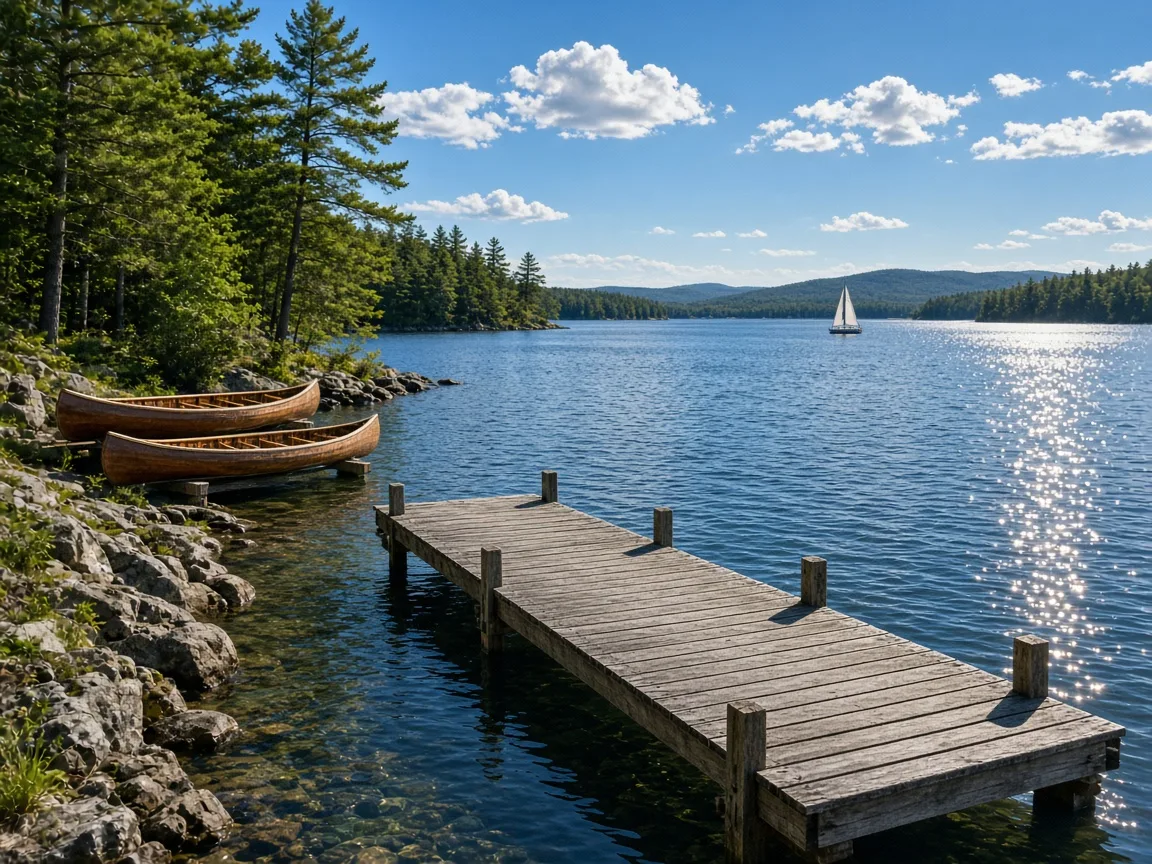
Waterfront is wonderful and complicated. Take this list to every lake or river showing, and ask each owner the same things.
-
Shoreline buffer rules: how close can structures and lawns get to the water?
-
Water access: owned shoreline, deeded access, or a community beach?
-
Dock, mooring, and float: do they stay with the sale, and are they permitted?
-
Flood zone: does the home sit in a mapped flood area, and what does coverage look like?
-
Septic and well: age, location, and last inspection, especially for year-round use.
-
Winter access: who maintains the private road, and is it plowed?
-
Town zoning: can you rent the property out, and is it a permitted use?
A local note: none of these are “gotcha” questions to a good seller. In lake country, water access and its paperwork are the whole conversation, and any serious owner is happy to talk boathouse and buoys.
- Tip 01
Lead with the water story
The single most important fact a lakeside buyer wants is simple: can I get to the water, and what exactly do I get when I do? Be specific about access, dock, and mooring in every listing.
- Tip 02
Time the season honestly
Research your home’s best and worst months to show. A lakeside cottage photographs best in summer light; a year-round townhouse may sell fastest in the shoulder seasons. Price honesty beats listing-season magic tricks.
- Tip 03
Do the “first winter” walk-through
Walk your own property the way a buyer will in January: heat, roof snow, driveway plowing, well and septic access. Fix the easy things now, and be ready for the hard questions.
- Tip 04
Declutter the boat shed too
Buyers here are imagining their own dock gear, kayaks, and garden furniture. Clear the clutter from porches, yards, and waterfront paths so they can picture their life, not your storage.
- Tip 05
Get the paperwork ready early
Deeds, surveys, shoreline permits, mooring registrations, and septic records. Towns here keep deep paper trails, and having yours organized makes every offer easier to say yes to.
For sellers
Five ways to show your place at its best
Camp, cottage, or year-round home: buyers up here fall in love with the water story, so tell it cleanly and concretely.
Get a seller’s read on your homeFor everyone
The three non-negotiables in any NH move
Inspect everything
A great home inspection is a gift, not a hurdle: structure, roof, mechanicals, plus well, septic, and any shoreline structures.
Plan for winter
Snow load, heating costs, plowing, and whether pipes survive a holiday-weekend freeze. Ask how the house performs in February.
Work with a local
An agent who knows the zip codes is good. One who knows which launch ramp is quiet on a July Saturday is better. That’s the difference I try to be.
This page is general, neighborly guidance, not legal, financial, or inspection advice. Shoreline rules, zoning, and tax questions change by town; get current, local answers before you commit to anything.